
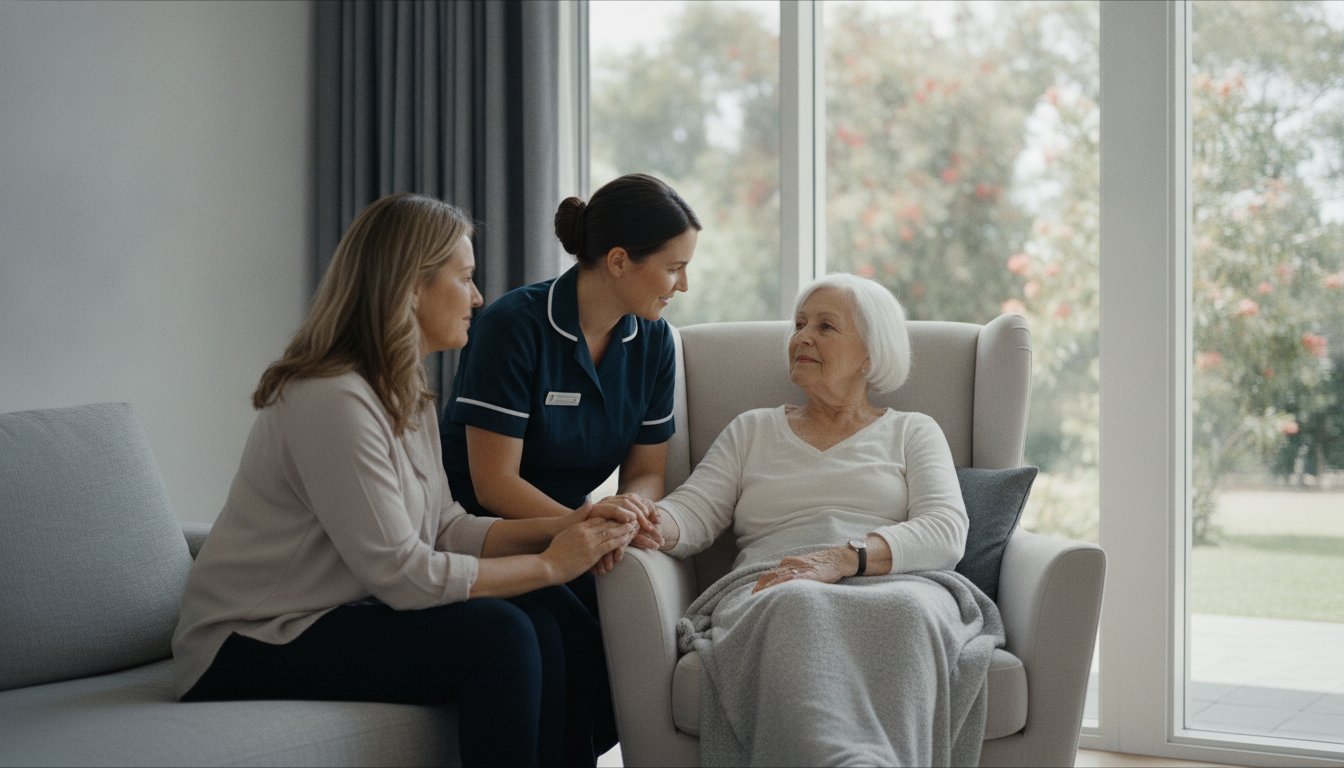
What if the final chapters of a loved one's life could be defined by the warmth of home rather than the sterile routine of a hospital ward? For many Perth families, the desire to stay in familiar surroundings is often clouded by the fear that medical needs might become too complex to manage safely. Exploring the benefits of in-home palliative care allows you to see how clinical safety and personal comfort can coexist. It's natural to feel overwhelmed by the prospect of balancing complex symptom management with the emotional weight of these delicate moments. You deserve the space to be a family member again, rather than just a carer.
This article provides a clear guide on how professional, nurse-led support preserves individual dignity while managing pain effectively at home. We will look at how the 2025 Support at Home program changes and the End-of-Life Pathway funding help families access high-level clinical expertise. Discover how to create a stable environment that prioritises your loved one's quality of life and provides your family with a reliable roadmap through the Western Australian health system.
Key Takeaways
- Understand why palliative care is a proactive approach to enhancing quality of life through every stage of a serious illness, rather than being restricted to the final days.
- Explore the clinical benefits of in-home palliative care, where professional symptom management for pain and breathlessness takes place in a familiar, private setting.
- Learn how to reduce carer burnout by delegating complex medical tasks to experienced nursing staff, allowing you to focus on emotional connection.
- Navigate the specific support pathways available to Perth residents, from My Aged Care assessments to clinical NDIS support services.
- Discover the peace of mind that comes with a nurse-led model of care that prioritises the individual's dignity and personal autonomy.
Understanding In-Home Palliative Care in Australia
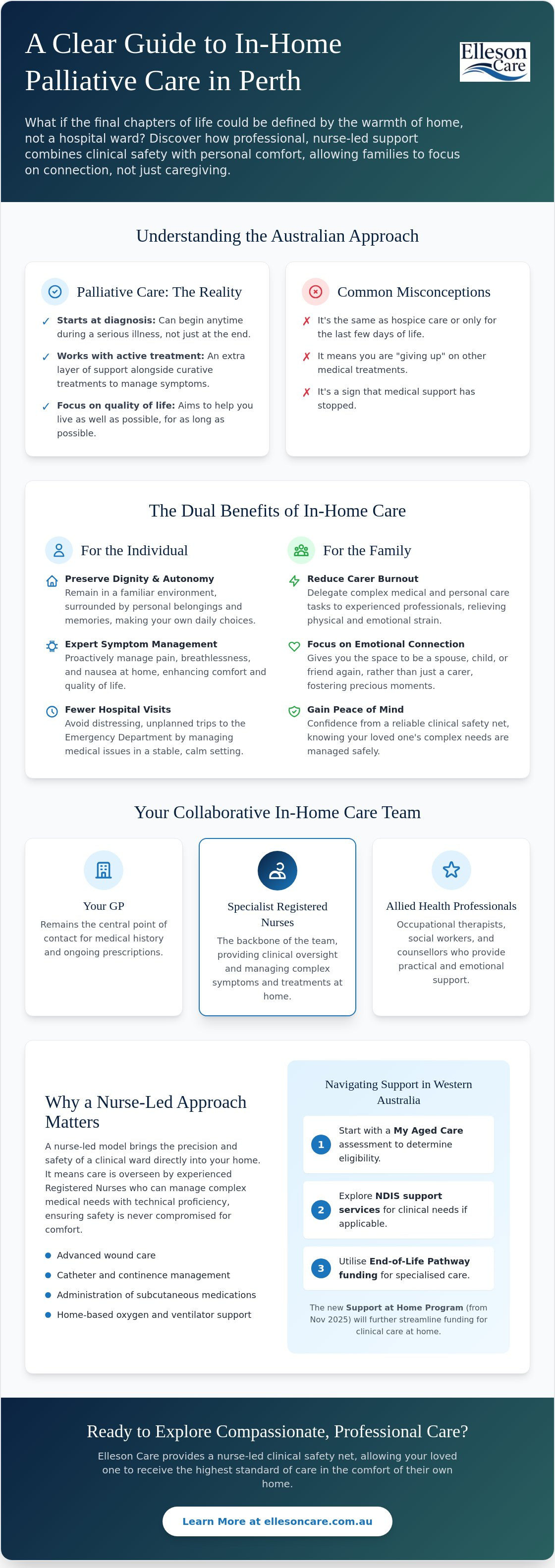
Palliative care is a specialised field of medicine dedicated to supporting individuals living with a serious, life-limiting illness. In the Australian healthcare context, this support focuses on optimising quality of life by addressing physical, emotional, and social needs. It isn't a signal that medical treatment has stopped. Instead, it's a proactive layer of clinical support that works alongside your existing specialists to ensure you live as well as possible. One of the primary benefits of in-home palliative care is the ability to receive this high-level medical oversight in a setting where you feel most secure.
The concept of "home" is flexible. It includes private residences, community-based settings, and residential aged care facilities. Following the implementation of the Support at Home program in November 2025, there's a stronger emphasis on funding for clinical care. By 2026, the shift towards nurse-led community nursing has become the standard for managing complex clinical needs. This ensures that even those with intensive medical requirements can remain in their chosen environment, surrounded by their personal belongings and memories.
Palliative Care vs. Hospice: The Australian Difference
Many people mistakenly believe that palliative care is identical to hospice care or that it only begins in the final days of life. In Australia, palliative care can actually commence at the point of diagnosis. Choosing this path doesn't mean you're "giving up" on active treatment; it means you're choosing to prioritise comfort and symptom management while continuing your health journey. Palliative support provides the clinical safety net that allows you to pursue active treatments with a higher quality of life.
Who Makes Up Your In-Home Care Team?
A collaborative approach is essential for effective care. Your team usually includes your GP, who remains the central point of contact for your medical history and ongoing prescriptions. Specialist Registered Nurses are the backbone of this team, offering clinical oversight for complex symptoms like pain, nausea, or breathlessness. These professionals bring years of acute experience to your living room, ensuring medical interventions are precise and respectful. Allied health professionals also play a vital role. Occupational therapists help modify your environment for safety, while social workers and counsellors provide the emotional scaffolding your family needs. This multidisciplinary network ensures that the benefits of in-home palliative care extend beyond simple medical tasks to encompass the well-being of the entire family unit.
Clinical and Emotional Benefits for the Individual
Receiving care at home isn't just about convenience; it's about preserving a sense of self during a vulnerable time. One of the most significant benefits of in-home palliative care is the psychological safety that comes from staying in your own space. In a hospital, you're often a patient defined by a gown and a wristband. At home, you're a person in your own clothes, surrounded by your own books and family photos. This environment fosters autonomy, allowing you to wake up in your own bed and eat familiar meals that suit your appetite and culture. According to the Australian Government on palliative care, this support is designed to meet your needs wherever you feel most comfortable and secure.
Professional symptom management at home effectively addresses pain, nausea, and breathlessness before they escalate into a crisis. When medical fluctuations occur, having professional oversight means you can often avoid a distressing trip to the Emergency Department. By managing these episodes in the living room, we maintain stability and reduce the trauma associated with frequent, unplanned hospitalisations. This approach ensures that your medical care adapts to your life, rather than your life revolving around a hospital schedule.
Specialised Clinical Nursing at Home
Registered Nurses bring the precision of a clinical ward into the residential environment. They handle complex requirements such as advanced wound care, catheter management, and the careful administration of subcutaneous medications. For individuals with respiratory challenges, clinical experts can manage home-based oxygen therapy or ventilator support with technical proficiency. This level of clinical support ensures that safety is never compromised for the sake of comfort. It provides a medical safety net that allows families to feel confident that their loved one's physical needs are being met with the highest professional standards.
Preserving Independence and Identity
Dignity is found in the small details of daily life. We encourage individuals to participate in their usual routines for as long as they feel able. Personal care isn't merely a hygiene task; it's a vital way to maintain self-esteem and a sense of identity. By focusing on "What Matters Most" to you rather than just a clinical chart, care becomes a respectful partnership. This approach honours your spiritual and cultural wishes, ensuring that your personal values guide every clinical decision made by your care team.
Supporting the Support System: Benefits for Perth Families
Caring for a loved one with a terminal illness is a profound act of love, but it often carries an exhausting physical and emotional weight. One of the core benefits of in-home palliative care is the immediate relief it provides to the family's primary caregiver. By transitioning complex medical responsibilities, such as monitoring vital signs or managing medication schedules, to qualified nursing staff, the family is no longer solely responsible for clinical safety. This professional oversight significantly reduces the risk of carer burnout. It ensures that the home remains a sanctuary of connection rather than a high-pressure medical environment.
Beyond clinical tasks, professional support includes empowering families with the knowledge they need to provide comfort safely. Nurses act as a bridge between the family and the broader medical system, serving as a steady advocate during complex consultations. This guidance helps Perth families navigate difficult decisions with confidence. You won't feel alone when interpreting medical advice or adjusting care plans. Emotional and spiritual support is woven into this process, offering a calm presence that extends into bereavement guidance to support the entire family unit through every stage.
Respite Care: A Vital Lifeline for Carers
Accessing professional respite care Perth serves as a vital lifeline, allowing family members the necessary time to rest and attend to their own well-being. Whether it is "Daytime Care" to manage professional work commitments or simply a few hours to recharge, this support prevents the isolation frequently experienced by primary caregivers in Western Australia. It ensures that the family support system remains strong and sustainable, providing the stability needed to navigate life's most delicate chapters with grace.
Facilitating Quality Family Time
When a professional team manages the clinical details, family members can step back from the role of "unpaid nurse" and return to being a daughter, son, or spouse. This shift is essential for creating a peaceful environment where meaningful final memories can be made without the distraction of medical logistics. Professional staff also provide gentle guidance on facilitating "the conversation" regarding end-of-life wishes. This ensures that every family member feels heard and respected, allowing the focus to remain on the relationship rather than the illness. This restorative focus is among the most cherished benefits of in-home palliative care for those we serve.
Navigating Palliative Care Services in Western Australia
Accessing the right support in Western Australia requires a clear understanding of the local healthcare pathways. While the clinical benefits of in-home palliative care are well-documented, the administrative journey can feel daunting for families already dealing with a serious illness. In WA, the primary route for older Australians is through the My Aged Care system. This portal serves as the gateway to government-funded support, ensuring that clinical needs are assessed by professionals who understand the specific requirements of palliative patients. For younger individuals, the NDIS provides a framework for clinical support services, while the Department of Veterans’ Affairs (DVA) offers specialised nursing programs for those who have served our country.
Choosing a WA-owned provider offers a distinct advantage in this process. Local providers possess an intimate knowledge of the Perth healthcare landscape, from the discharge protocols at Fiona Stanley or Sir Charles Gairdner to the specific referral patterns of local GPs. This regional expertise ensures that your care is coordinated seamlessly between different health sectors, preventing the "gaps" that can sometimes occur in national service models. It creates a more stable, predictable experience for both the individual and their family.
Accessing Funding and Support Packages
Understanding Home Care Package levels is the first step in securing long-term support. However, as of November 1, 2025, the "Support at Home" program has replaced the previous system to provide more flexible, tiered funding. For those with a life expectancy of three months or less, a specific End-of-Life Pathway provides approximately $25,000 in funding over a 12 to 16-week period. To access these specialised funds, you'll need to organise an ACAT assessment. This evaluation confirms your clinical eligibility and ensures the benefits of in-home palliative care are fully funded, including essential nursing and allied health services.
The Local Perth Advantage
Local knowledge translates directly into better care coordination. Our team maintains strong links with community nursing networks and local pharmacies across the Perth metropolitan area, ensuring that medications and equipment are available when they're needed most. This proximity allows for a more responsive service that respects the cultural diversity of our local community. Whether you require nursing services in Joondalup or Fremantle, having a Perth-based team means your clinicians are never too far away. If you need help navigating these WA-specific pathways, you can contact our clinical team for professional guidance on your next steps.
Why a Nurse-Led Approach Makes the Difference
Clinical expertise is the foundation of safety in a home environment. While many providers offer general support, a nurse-led model ensures that every decision is backed by high-level medical training. Having a Registered Nurse at the helm provides the stability needed when health circumstances change quickly. This leadership is one of the essential benefits of in-home palliative care, as it bridges the gap between hospital-grade safety and the comfort of your own living room. With over 22 years of registered nursing experience, our team understands the nuances of complex symptom management and the importance of a steady, reliable presence.
True care looks beyond the clinical chart. It involves treating the person as a whole, acknowledging their history, fears, and aspirations. We focus on person-centred care, where clinical interventions are tailored to meet your specific life goals. This might mean adjusting a medication schedule to ensure you're alert for a family visit or modifying care plans to honour cultural traditions. Our team also manages the complex administrative coordination between the NDIS, Aged Care, and DVA frameworks. This seamless integration ensures that you receive every entitlement without the stress of managing multiple government portals yourself.
The Elleson Care Commitment to Dignity
Our philosophy is built on the belief that clinical excellence and profound empathy must go hand-in-hand. By maintaining Registered Nurse-led teams, we ensure the highest standards of safety and comfort are met in every home we enter. This commitment isn't just for the final days. We support Perth families through the entire journey, from the initial diagnosis through to bereavement support. We believe that every individual deserves to be treated with a level of respect that preserves their dignity regardless of their medical condition.
Starting the Journey with Confidence
Transitioning to palliative support can feel like a significant step. We aim to make this process as smooth as possible. It begins with a comprehensive initial clinical assessment where our nursing team listens to your concerns and evaluates your needs. Within the first 48 hours of home-based support, we establish a stable routine, coordinate with your GP, and ensure all necessary equipment is in place. This rapid response provides immediate relief and sets the tone for a calm, professional partnership. If you're ready to explore how we can support your family, contact our compassionate team at Elleson Care for a confidential discussion.
Prioritising Comfort and Dignity at Home
Choosing the right path for a loved one is one of life's most significant responsibilities. We've explored how the benefits of in-home palliative care allow for a seamless blend of clinical safety and personal comfort. By focusing on quality of life and professional symptom management, you can ensure that these delicate chapters are defined by peace rather than hospital routine. It's about more than just medical tasks; it's about preserving the "person" behind the patient in the place they love most.
As a West Australian owned and operated healthcare provider, we bring a holistic family approach to every home we visit. Our teams are led by Registered Nurses with over 22 years of experience, ensuring that your clinical needs are met with the highest standards of safety and empathy. You don't have to navigate the complexities of the WA health system or the physical demands of caregiving alone. You deserve the stability that comes from having a compassionate expert by your side.
Enquire about our nurse-led palliative care services in Perth for a confidential discussion about your family's needs. There's profound comfort in knowing you have a reliable partner to help you navigate this journey with grace and confidence.
Frequently Asked Questions
Is in-home palliative care only for the final days of life?
No, palliative care is not restricted to the final days and can be introduced at any stage of a serious illness. Introducing support early helps manage symptoms like pain and fatigue, ensuring a better quality of life throughout the entire journey. This proactive approach is one of the key benefits of in-home palliative care for families who want to maintain stability and comfort for as long as possible.
Can we still see our regular Perth GP while receiving home care?
Yes, your regular Perth GP remains a central figure in your care team. They continue to manage your medical history and prescriptions while collaborating closely with specialist nurses. This partnership ensures that your care is coordinated and that your long-term doctor is always kept informed of any clinical changes. It allows for a seamless transition of care that respects your existing medical relationships.
How much does in-home palliative care cost in Western Australia?
The cost of care depends on your eligibility for government funding programs like Support at Home or the NDIS. Under the 2025 Support at Home program, clinical nursing care is often fully funded by the government with no participant contribution required. For those with a life expectancy of three months or less, the End-of-Life Pathway provides a one-off budget of approximately $25,000 for a 12 to 16-week period to cover essential services.
What happens if there is a medical emergency in the middle of the night?
In the event of a medical emergency, you should follow the specific protocols outlined in your individual care plan. You should clarify with your provider during your initial assessment whether they offer after-hours clinical support or if you should contact 000. Having a clear, written roadmap for emergencies ensures that you and your family know exactly who to call when urgent medical needs arise outside of scheduled nursing visits.
Is palliative care covered under an NDIS plan or Home Care Package?
Yes, palliative care is covered under both the NDIS and the Support at Home program, which replaced Home Care Packages in late 2025. Younger Australians can access clinical support through their NDIS plans if it relates to their disability and health needs. Older Australians utilise the Support at Home program, which provides tiered funding levels to cover nursing, allied health, and personal care in a domestic setting.
Can palliative care be provided in an aged care facility in Perth?
Palliative care can absolutely be provided within an aged care facility. For many residents, the facility is their permanent home, and they have the right to receive specialised end-of-life support in that familiar environment. This ensures they don't have to move to a hospital during a delicate time, maintaining their privacy and existing social connections. It allows for a higher level of clinical oversight without leaving their community.
What is the difference between a palliative nurse and a general home carer?
A palliative nurse is a Registered Nurse with the clinical expertise to manage complex medical needs like wound care, catheter management, and subcutaneous medications. A general home carer provides vital support with daily living tasks such as showering, dressing, and meal preparation. Accessing the benefits of in-home palliative care through a nurse-led team ensures that medical symptoms are addressed with professional precision while your personal care needs are also met.
How do we start the process of getting palliative care at home?
The process usually begins with a conversation with your GP or specialist to discuss your clinical needs. For older Australians, the next step is contacting My Aged Care to request an ACAT assessment for the Support at Home program. Once your eligibility is confirmed, you can select a Perth-based provider to conduct a thorough clinical assessment and begin your personalised care plan. This ensures all support is tailored to your specific goals.


